Recent developments in Venezuela have captured global attention and are prompting notable reactions across financial markets. Following a significant political shift in Caracas, investors are reassessing risk, opportunity, and broader implications for energy markets, sovereign debt, and equity indices.
Market Background
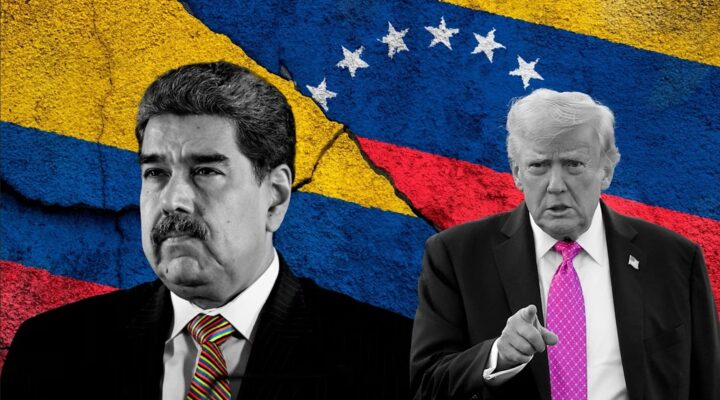
In the opening day as we welcomed in 2026, a high-profile operation resulted in the capture of (now former) Venezuelan President Nicolás Maduro, triggering a dramatic reorientation of political and economic expectations. This event has reshaped investor sentiment and altered how markets are pricing geopolitical risk in the region.
Equities Respond with Optimism
One of the most striking market reactions has been in Venezuelan equity markets. The Caracas Stock Exchange’s key index has rallied sharply, with reports showing the IBC index climbing significantly in the opening days of 2026. This surge appears to reflect renewed optimism that political change could pave the way for easing international sanctions and revitalising economic activity, particularly in the energy sector.
While the Venezuelan market remains relatively shallow, this rally highlights how rapidly investor expectations can shift when a long-isolated economy shows signs of potential reintegration with global capital flows.
Sovereign Bonds Rally on Hopes for Recovery
Venezuelan sovereign bonds have also responded positively to the changing outlook. After years of default and depressed prices, these bonds have been trading higher, buoyed by investor anticipation of a future debt restructuring tied to broader political transition. The continuation of this rally into the new year suggests that some market participants are pricing in the possibility of economic normalisation.
Oil and Energy Markets Adjust
Energy markets have shown a mixed but generally positive response as traders weigh the potential for Venezuela’s vast oil reserves to re-enter the global supply equation. Although Venezuela currently produces a small fraction of global crude, reports indicate a modest rise in Brent and U.S. crude prices as geopolitical risk premiums re-emerged. Stocks of major oil companies have outperformed broader markets, with firms seen as likely beneficiaries of renewed investment in Venezuelan infrastructure leading gains.
Market participants are also focusing on longer-term opportunities tied to Venezuela’s energy sector. With the world’s largest proven oil reserves and a plan emerging to involve international oil firms in restoring production, equities in related service and infrastructure industries have drawn interest from investors positioning for reconstruction and increased output.
Global Markets and Broader Asset Classes
Beyond Venezuelan-specific instruments, broader markets have shown resilience. Major U.S. equity indices have continued to advance amid this geopolitical shift, suggesting that investors are not viewing Venezuelan events as a destabilising force for global markets. In many cases, the perception that sudden uncertainty has been resolved quickly and decisively appears to have dampened volatility.
Other asset classes have responded as well. Digital assets like Bitcoin have demonstrated notable sensitivity to geopolitical news, with some investors treating cryptocurrencies as a near-real-time barometer of risk sentiment while traditional markets take longer to adjust.
Why This Matters for Investors
The recent response to developments in Venezuela illustrates several important trends in global financial markets:
• Geopolitical events still influence asset prices – but markets may react with nuanced expectations rather than simple fear or panic.
• Risk assets such as equities and bonds can rally – when political outcomes reduce uncertainty or introduce new growth narratives.
• Energy sector dynamics remain central – especially in markets tied to oil price expectations and infrastructure reinvestment.
For long-term investors, these market reactions suggest that reassessing exposure to geopolitical risk and emerging opportunities may be prudent. While volatility remains a factor, post-event market behaviour indicates that capital allocators are distinguishing between short-term headline risk and longer-term economic prospects.