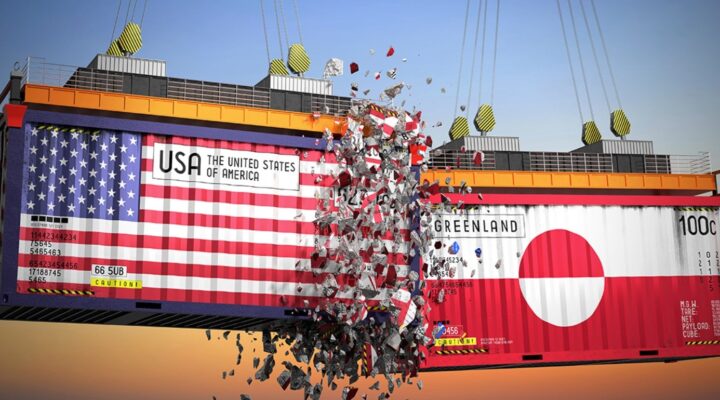
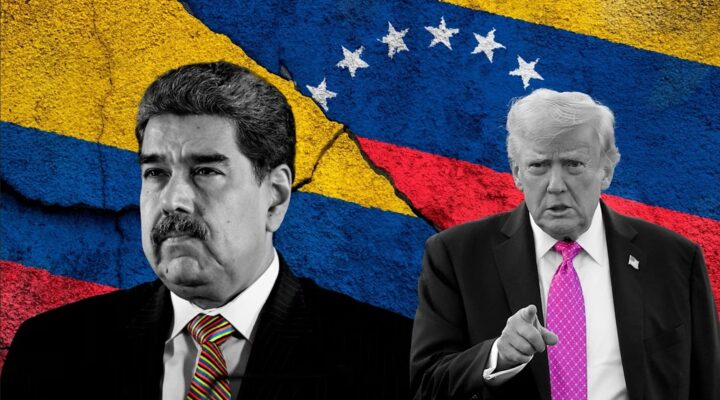
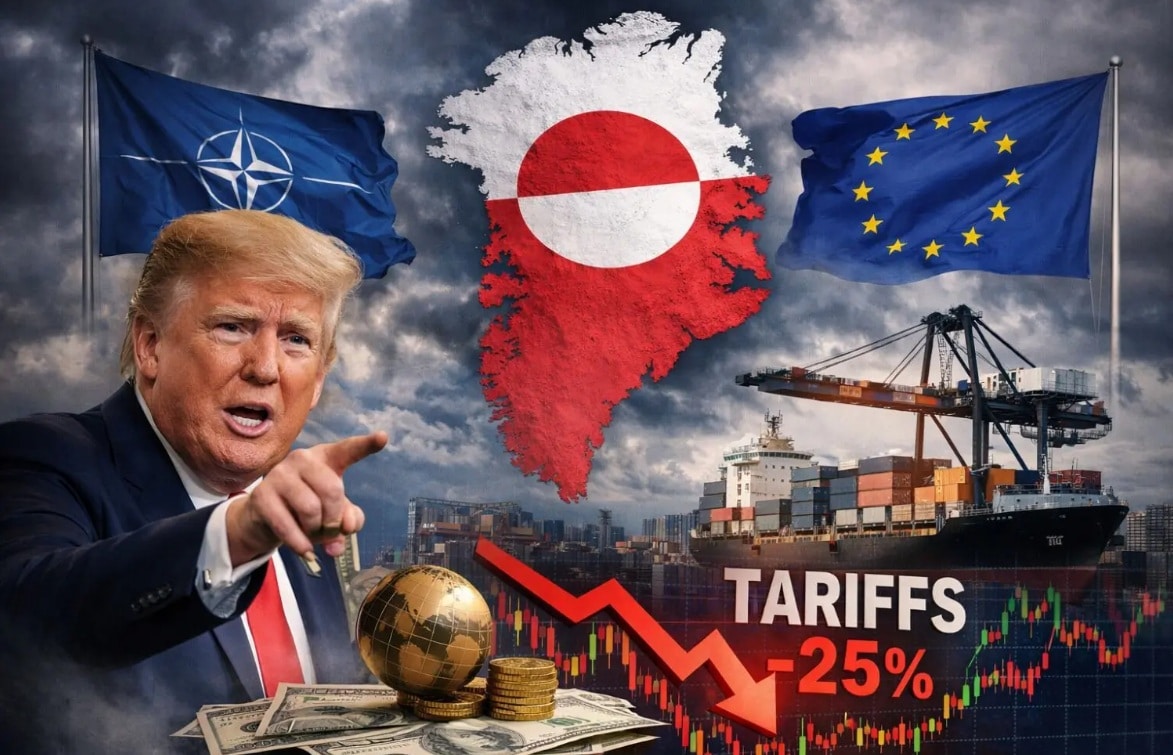
Global financial markets have spent the past week digesting renewed trade tensions following comments from former US President Donald Trump regarding potential tariffs on European goods. The remarks, which were linked to broader strategic interests in the Arctic and Greenland, initially triggered volatility across global markets.
Since then, investor focus has begun to shift away from the headlines themselves and towards the likelihood, timing, and scale of any concrete policy action. As is often the case, markets have moved from an immediate emotional response to a more measured assessment of risk.
Equity markets and investor sentiment
European equity markets saw early weakness as investors priced in the possibility of increased trade friction. Export-focused sectors were among the most affected during the initial reaction, reflecting concerns around supply chains and cross-border demand.
More recently, however, markets have shown signs of stabilisation as investors reassess the broader economic backdrop. Corporate fundamentals across much of Europe remain resilient, and there has been little evidence of material deterioration in earnings outlooks. For longer-term investors, periods like this often present opportunities to review high-quality assets that may have been temporarily marked down.
Currency movements and defensive positioning
Currency markets have also adjusted over the past week. Initial risk-averse positioning gave way to more balanced trading as volatility eased and clarity improved. For investors with international exposure, these movements can create tactical opportunities, particularly where currency fluctuations diverge from underlying economic strength.
Defensive assets such as gold attracted inflows during the height of uncertainty, reinforcing their role as portfolio stabilisers. As market sentiment has calmed, attention has turned to how these assets fit into longer-term diversification strategies rather than short-term hedging alone.
Turning volatility into opportunity
Recent market behaviour highlights a familiar pattern. Political statements often drive sharp, short-term moves, but markets tend to recalibrate once investors assess the probability of follow-through. For strategic investors, this creates space for disciplined decision-making rather than reactive positioning.
Key considerations include:
• Distinguishing short-term volatility from structural change
• Reviewing exposure to sectors sensitive to trade policy
• Maintaining diversification across asset classes
• Identifying selective opportunities created by temporary dislocation
History suggests that investors who remain focused on fundamentals are often best placed to benefit as uncertainty fades.
A measured outlook
While geopolitical rhetoric continues to influence sentiment, broader market drivers such as interest rate expectations, economic growth trends, and corporate performance remain central to long-term returns. As more time passes without concrete policy implementation, markets typically place less weight on headline risk alone.
For investors, this period serves as a reminder of the value of patience and perspective. Volatility driven by political developments can offer moments to rebalance, reassess allocations, and strengthen portfolio resilience.
Final thoughts
Uncertainty is an inevitable part of global investing, particularly when politics and markets intersect. Recent developments have demonstrated how quickly sentiment can shift, but also how rapidly markets can adapt.
By staying diversified, disciplined, and focused on long-term objectives, investors can navigate short-term disruption while remaining positioned for future opportunity.