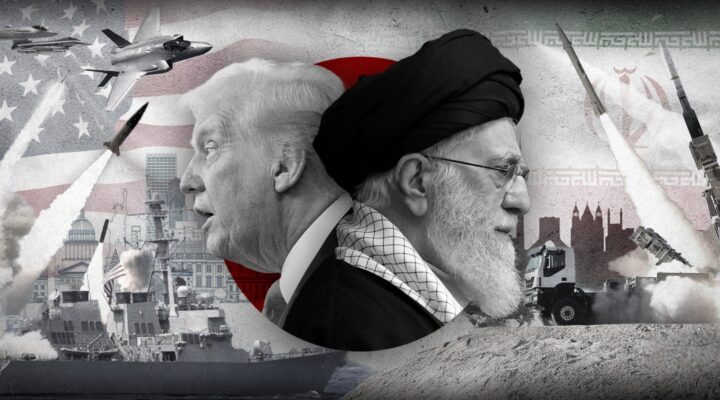
Recent developments in the Iran conflict have placed global markets under renewed pressure, with energy prices, equities, and investor sentiment all reacting to heightened geopolitical risk. While headlines have understandably focused on disruption and uncertainty, periods like this often create both short-term volatility and longer-term investment opportunities.
For investors, the key is understanding where the real impact lies and how markets typically respond once initial reactions settle.
Energy markets at the center of the reaction
The most immediate impact of the conflict has been felt in global energy markets. Oil prices have risen sharply as concerns grow over supply disruption, particularly through the Strait of Hormuz, a critical route for around 20 percent of global oil and gas flows.
Recent damage to energy infrastructure across the region and reduced shipping activity have added further pressure, contributing to increased price volatility and supply concerns. Natural gas markets have been even more sensitive, with supply chains less flexible and more difficult to restore once disrupted.
While rising energy prices can contribute to inflation and economic pressure, they also create clear areas of opportunity within commodity markets and energy-linked equities.
Market volatility and investor sentiment
Global equity markets initially reacted with caution, with risk assets softening as investors reassessed geopolitical exposure. This is a typical response during periods of uncertainty, particularly when events affect strategically important regions.
However, history shows that geopolitical shocks often lead to short-term market movements rather than long-term structural declines. Markets tend to stabilise once the scale and duration of the conflict become clearer, and in many cases recover as investors refocus on underlying economic fundamentals.
Where opportunities may emerge
While volatility can feel unsettling, it often highlights areas of potential opportunity for disciplined investors.
Energy and commodities
Rising oil and gas prices can support energy producers, infrastructure companies, and related supply chains. These sectors often benefit directly from supply constraints and increased pricing power.
Industrial and resource demand
Despite short-term price fluctuations, long-term demand for key resources such as copper remains strong, driven by structural trends including electrification and technology growth.
Defensive and alternative assets
Periods of uncertainty typically increase interest in defensive assets such as gold, as well as alternative investments that are less correlated with traditional equity markets.
Selective entry points in equities
Market pullbacks driven by geopolitical headlines can create opportunities to acquire quality assets at more attractive valuations, particularly in sectors where long-term fundamentals remain intact.
Inflation, interest rates, and the broader outlook
One of the key considerations for investors is the potential inflationary impact of sustained higher energy prices. If oil prices remain elevated, this could influence central bank policy and delay interest rate reductions in some economies.
At the same time, the overall impact on global growth is likely to be uneven. While energy-importing regions may face greater pressure, others may benefit from increased commodity revenues or capital inflows.
Importantly, the duration of the conflict remains the single biggest variable. Shorter disruptions tend to have limited long-term impact, while prolonged instability can create more sustained economic effects.
A long-term perspective
Geopolitical events are an inherent part of global markets. While they can drive short-term volatility, they rarely alter long-term investment trends in isolation.
For investors, the focus should remain on:
• Maintaining diversification across asset classes
• Avoiding reactive decision-making based on headlines
• Identifying sectors where structural demand remains strong
• Taking advantage of temporary market dislocations
Final Thoughts
The Iran conflict has introduced a new layer of uncertainty into global markets, particularly through its impact on energy supply and inflation expectations. However, it also reinforces a key principle of investing: volatility often creates opportunity.
By staying disciplined and focusing on long-term fundamentals, investors can navigate periods of uncertainty while positioning themselves to benefit from the recovery that typically follows.